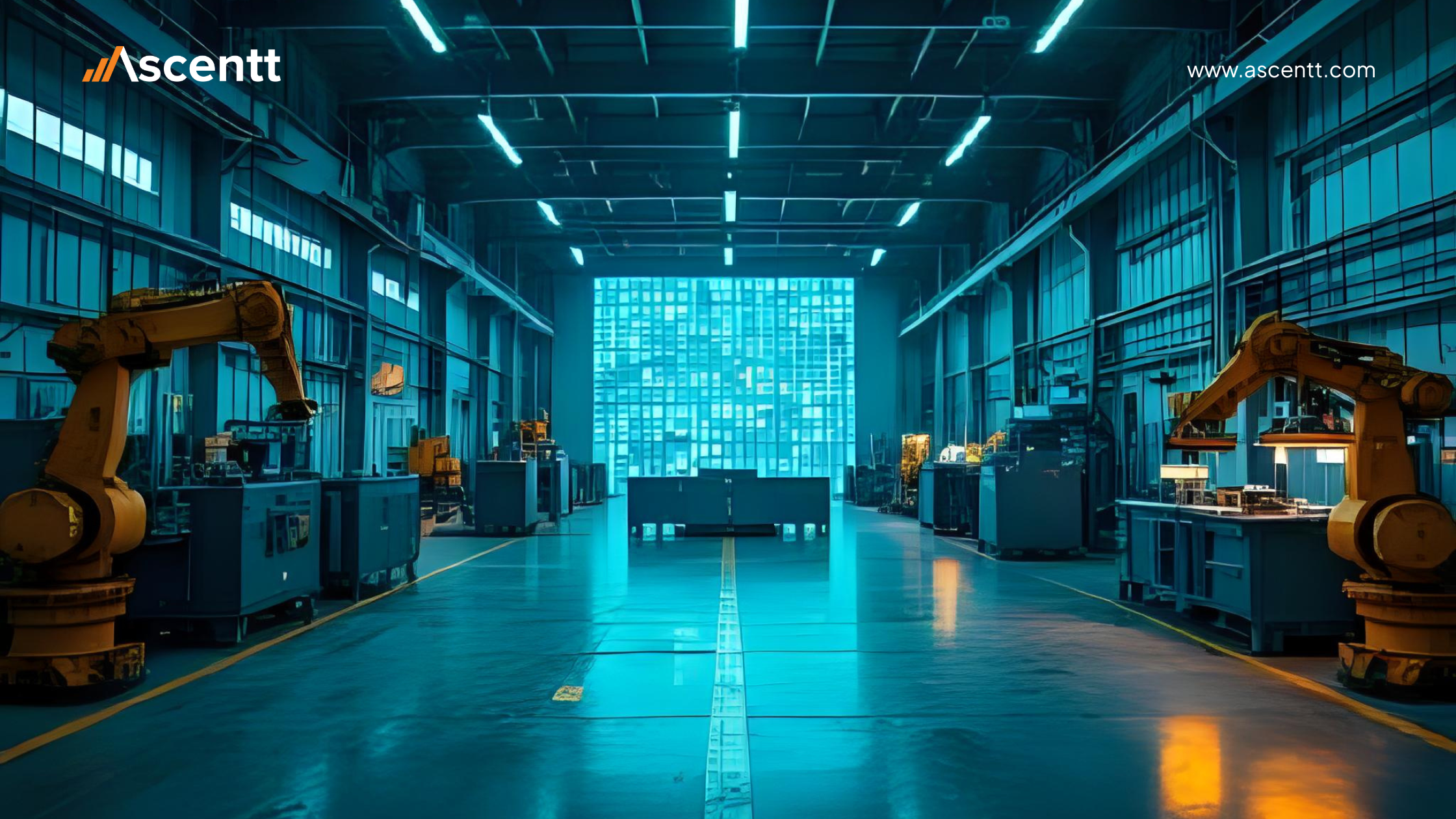
If you spend enough time around plant managers, you start hearing the same mix of excitement and impatience. Everyone wants digital workflows, cleaner data, a calmer production schedule, and fewer surprises. A Deloitte study reports that nearly all surveyed manufacturers view smart manufacturing as a key factor in staying competitive over the next few years.
But despite the interest, progress moves at a slower pace inside most facilities. It’s common to spot equipment from three different generations sitting side by side. One machine streams real-time data, another logs readings once per shift, and a third is essentially invisible from a data standpoint.
While the leadership talks confidently about connectivity and predictive operations, operators are still trying to keep yesterday’s workflow from falling behind. It’s not that anyone doubts the value of smart factories. It’s because several inherent operational roadblocks quietly stall smart factory initiatives.
The Move from Industry 4.0 to Industry 5.0
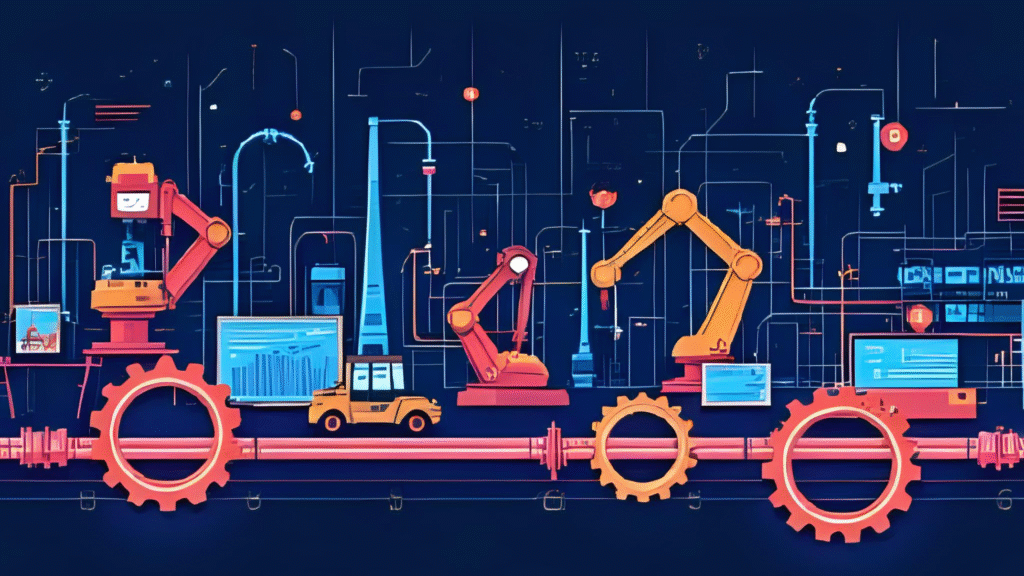
Industry 4.0 introduced automation, real-time monitoring, connected equipment, and data-driven decision-making. However, as firms finally maintain their status quo, Industry 5.0 is quickly gaining momentum, prioritizing long-term sustainability, resilience against disruption, and operations that can adapt without falling apart.
This shift creates growing pains. Many companies have built their factories around 4.0 goals, such as integrating equipment or capturing high-speed data. Now they’re reeling under the pressure to improve worker interaction, reduce environmental impact, and integrate flexible systems.
It’s a big jump, especially for plants that still rely on inconsistent processes or fragmented data.
Smart Factory Operational Roadblocks
As companies strive to bring their Industry 5.0 vision to life, several operational and tactical challenges arise. Here’s looking at five such roadblocks:
1. Strong Vision but Poor Execution
Most leadership teams describe precisely what a smart factory should look like. However, execution becomes messy because real factories do not operate in ideal conditions. Shifting production targets, staffing shortages, and legacy equipment limit their ability to achieve success.
Some projects fail simply because they start too fast. Others collapse because no one slowed down to check whether the plant could support the changes. A good plan accounts for maintenance routines, skill gaps, existing bottlenecks, and the physical reality of the floor.
2. Technical Debt
Many plants attempt to stack modern tools on top of fragile foundations. When that happens, operators spend more time addressing glitches than focusing on benefits.
Technical debt hides in many corners, and it is only noticed when someone tries to install something new. Outdated systems, mismatched software, obsolete sensors, and sometimes even missing documentation all contribute to friction.
3. Siloed OT and IT Teams
In the race to become a smart factory, operations teams tend to move with urgency, while IT teams tend to move more cautiously. When these groups fail to communicate early and often, projects become lengthy sequences of misalignment and inefficiency.
IT might approve software that doesn’t play well with older machines, or operations might implement something IT can’t support. Neither side is wrong; they’re only working from different instincts.
4. Change Fatigue
If the workforce doesn’t feel supported or included, the most innovative technology will slow down the moment it reaches the shop floor. New dashboards, checklists, procedures, and minor updates can pile up if they arrive too frequently.
Change fatigue doesn’t always surface in complaints. Sometimes it manifests as slower adoption, incomplete data entries, or inconsistent use of new tools. It becomes noticeable only when leadership wonders why a promising upgrade hasn’t delivered its full value.
5. Scope Creep
Scope creep is a significant reason why smart factory projects seem never-ending. Someone spots a promising use case, then someone else adds another requirement. Soon, the project expands into something that no one can deliver easily.
The temptation to “do it all now” is strong, especially when digital tools open exciting new possibilities. However, the most successful transformations begin small, demonstrate value, and then scale.
The Road to Smart Factory Success
Progress gets easier when companies ground their plans in actual plant readiness.
- Improve data quality, enhance reliability, address network limitations, and give operators confidence to create a smoother path for every digital tool that follows.
- Support collaboration between OT and IT to enable shared decision-making, build trust, and keep projects from drifting.
- Recognize technical debt as an operational constraint, identifying the most significant barriers and fixing them.
- Support the workforce with regular training and education that feels practical.
- Limit scope by identifying a few critical use cases and then scale as benefits are realized.
Wrapping Up
Smart factories have enormous potential, but they require more than modern equipment and AI tools. They demand clear thinking, honest evaluation, and steady alignment across the organization. When those pieces fall into place, digital upgrades stop feeling disruptive and start feeling natural. The leap toward Industry 5.0 becomes easier, and the benefits become measurable instead of theoretical.
Ready to turn your smart factory vision into a roaring success? Connect with our experts to begin your assessment today!
FAQs
Why do smart factory programs stall?
Smart factory programs often stall because operations aren’t ready for the complexity of digital tools.
What’s the most significant hidden obstacle?
Tech debt is one of the most significant hidden obstacles that slows progress more than most teams expect.
How do manufacturers keep projects on track?
Manufacturers can keep smart factory projects on track by limiting scope, building readiness, and involving OT and IT together from the start.